Tanzania is more than just breathtaking landscapes, iconic wildlife safaris, and pristine beaches—it is also a land of diverse cultures, vibrant traditions, and welcoming people. As one of Africa’s best cultural tourism destinations, Tanzania offers visitors the rare opportunity to explore not only its natural wonders but also its rich human heritage.
A Mosaic of Tribes and Traditions
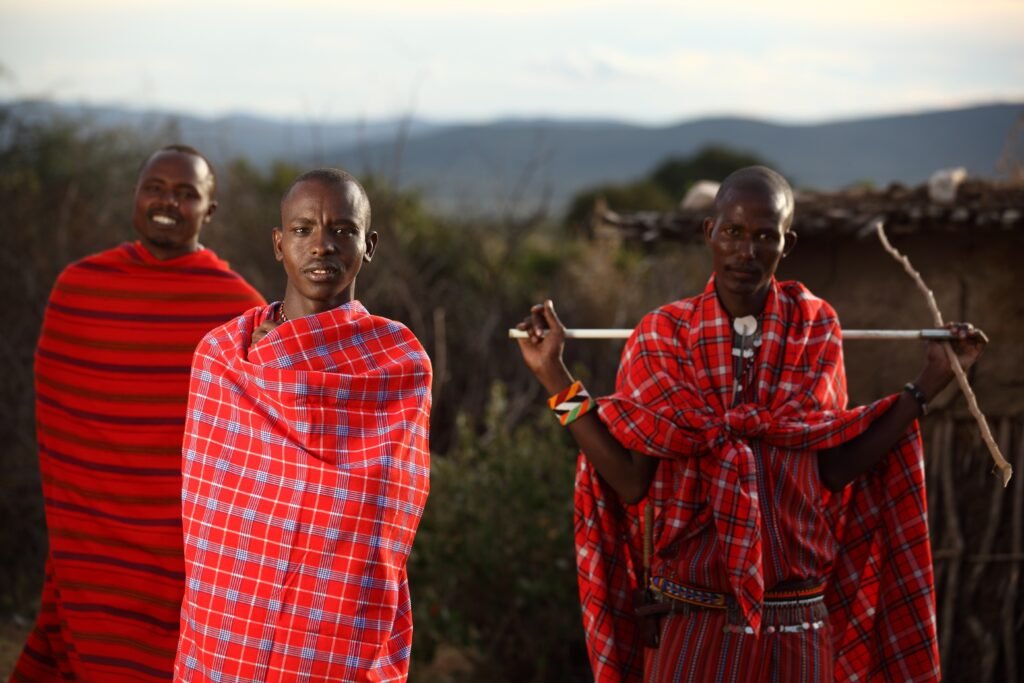
With over 120 tribes, Tanzania is a living mosaic of cultural diversity. From the world-famous Maasai warriors of the north, known for their colorful attire and traditional pastoral lifestyle, to the Sukuma, the largest ethnic group famed for their farming and dance traditions, each community adds to the unique cultural fabric of the nation. Visitors can also interact with the Chaga people on the slopes of Mount Kilimanjaro, learn about the ancient iron-working traditions of the Pare tribe, or explore the fishing heritage of the Zaramo and Swahili communities along the coast.
Daily Life and Hospitality
Tanzanians are known for their warmth, generosity, and sense of community. Whether in rural villages or bustling cities, you will experience the spirit of “Ujamaa” (familyhood)—a way of life that emphasizes unity, sharing, and mutual respect. Life here is often simple, deeply connected to nature, and filled with joyous expressions through music, dance, and storytelling.
Cuisine: A Taste of Tanzania
Tanzania’s cuisine reflects its history as a crossroads of African, Arab, and Indian cultures. Staple dishes include ugali (maize porridge), often served with beans, vegetables, or meat. Along the coast, visitors can enjoy flavorful Swahili dishes, spiced rice, grilled seafood, and coconut-based curries that highlight the region’s Arab-Indian influences. Popular street foods such as chipsi mayai (fries with eggs) and nyama choma (roast meat) offer a delicious glimpse into everyday Tanzanian life. To complement the food, beverages like chai (spiced tea) and locally brewed coffee from Kilimanjaro and Mbeya provide an authentic taste of Tanzania.
Language and Communication
The heartbeat of Tanzania’s cultural unity is Kiswahili (Swahili), the national language and one of the most widely spoken in Africa. Kiswahili unites the nation’s many tribes and has become a symbol of identity and pride. English is also commonly spoken, especially in business, tourism, and education, making communication accessible for visitors.
A Journey Through History
Tanzania’s cultural depth is enriched by its history. From the ancient trading ports of Zanzibar, where African, Arab, Persian, and Indian cultures blended over centuries, to the Olduvai Gorge—the cradle of humankind—where some of the earliest human fossils were discovered, Tanzania is a living museum of human heritage. Colonial-era architecture, sacred sites, and traditional villages all tell stories of resilience and cultural evolution.
Music, Arts, and Festivals
Music and dance are at the heart of Tanzanian culture. Traditional dances vary from the rhythmic drumming of the Gogo to the lively ngoma of the coastal tribes. Modern sounds such as Bongo Flava (Tanzania’s contemporary music genre) capture the creativity of Tanzanian youth. Handicrafts, from Maasai beadwork to Makonde wood carvings, offer visitors both artistry and storytelling in tangible form. Festivals such as the Zanzibar International Film Festival (ZIFF) and the Bagamoyo Arts Festival celebrate art, film, and cultural exchange, attracting visitors from across the globe.

Why Tanzania for Cultural Tourism?
Tanzania offers an immersive cultural experience unlike anywhere else. Here, visitors are not just spectators but participants—sharing meals with locals, joining in traditional dances, exploring historic villages, and learning about ancestral practices that have shaped the nation’s identity.
Highlights for Cultural Visitors:
- Visit Maasai villages to learn about pastoral traditions.
- Explore Zanzibar Stone Town, a UNESCO World Heritage site rich in Swahili culture.
- Discover the art of traditional farming and coffee-making with the Chaga people.
- Witness the vibrant dances and music of the Sukuma tribe.
- Experience the unique hunter-gatherer lifestyle of the Hadzabe people, one of the last remaining communities living in harmony with nature.
- Visit ancient ruins like Kilwa Kisiwani, once a thriving Swahili trading city.
Conclusion
Tanzania is a destination where natural beauty meets cultural richness. Beyond the famous safaris and mountains, the heart of Tanzania lies in its people, traditions, and heritage. For travelers seeking authentic experiences, Tanzania’s cultural tourism offers a journey into the soul of Africa—a journey that leaves lasting memories and connections.