Mwanza, the second-largest city in Tanzania, is a vibrant and dynamic destination situated on the southern shores of Lake Victoria, the largest lake in Africa. Known as the “Rock City” due to its iconic rocky hills, Mwanza is not only a gateway to the world-renowned Serengeti National Park but also a thriving center for business, culture, and tourism in East Africa.
Ethnic Diversity and Cultural Heritage
Mwanza is a melting pot of cultures, home to more than 120 tribes that represent the richness of Tanzania’s ethnic diversity. Among the most prominent groups are the Sukuma, the largest ethnic group in Tanzania, known for their rich traditions, agriculture, and cattle herding practices. Other groups include the Zinza, Haya, Kurya, Jita, and Kerewe, all contributing to Mwanza’s unique cultural fabric. This diversity is reflected in the city’s music, dance, festivals, and cuisine, offering visitors an authentic experience of Tanzanian life.
Lifestyle and Hospitality
The people of Mwanza are known for their warm hospitality and vibrant lifestyle, blending traditional practices with modern urban living. Colorful markets, bustling streets, and lively entertainment spots showcase the city’s energy, while its residents’ welcoming nature makes visitors feel at home. The city offers a mix of modern infrastructure, traditional villages, and scenic natural landscapes, creating a unique balance of culture and contemporary living.

Economic Activities
Mwanza is one of Tanzania’s fastest-growing economic hubs, playing a vital role in trade, mining, fishing, and agriculture:
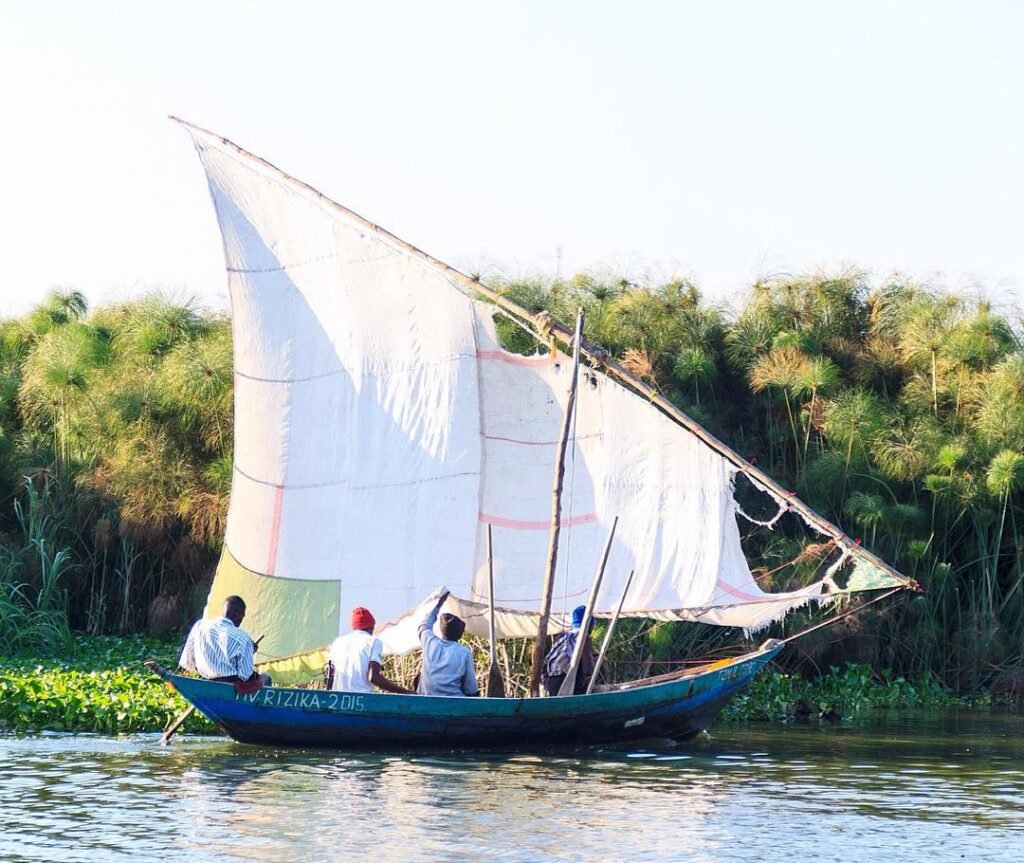
- Fishing Industry: Lake Victoria sustains one of the largest fishing industries in Africa, particularly the Nile perch and tilapia, which are exported worldwide.
- Mining: Mwanza serves as a strategic hub for the gold-rich regions of Geita and Kahama. Mining companies and suppliers have established strong operations in and around the city.
- Agriculture: The fertile lands surrounding Mwanza produce staple crops such as maize, cassava, rice, and cotton, supporting both subsistence and commercial farming.
- Trade and Services: With its proximity to East African neighbors, Mwanza has become a major center for regional trade, logistics, and business services.
Accessibility: Connected by All Means of Transport
Mwanza stands out as one of the most accessible cities in Tanzania, connected by all major modes of transportation:
- Road: A robust road network connects Mwanza to other regions of Tanzania, including the central corridor to Dodoma and Dar es Salaam, and across the borders to Uganda, Kenya, Rwanda, and Burundi.
- Air: Mwanza Airport offers daily flights to Dar es Salaam, Kilimanjaro, Zanzibar, and other key destinations, with connections to regional hubs.
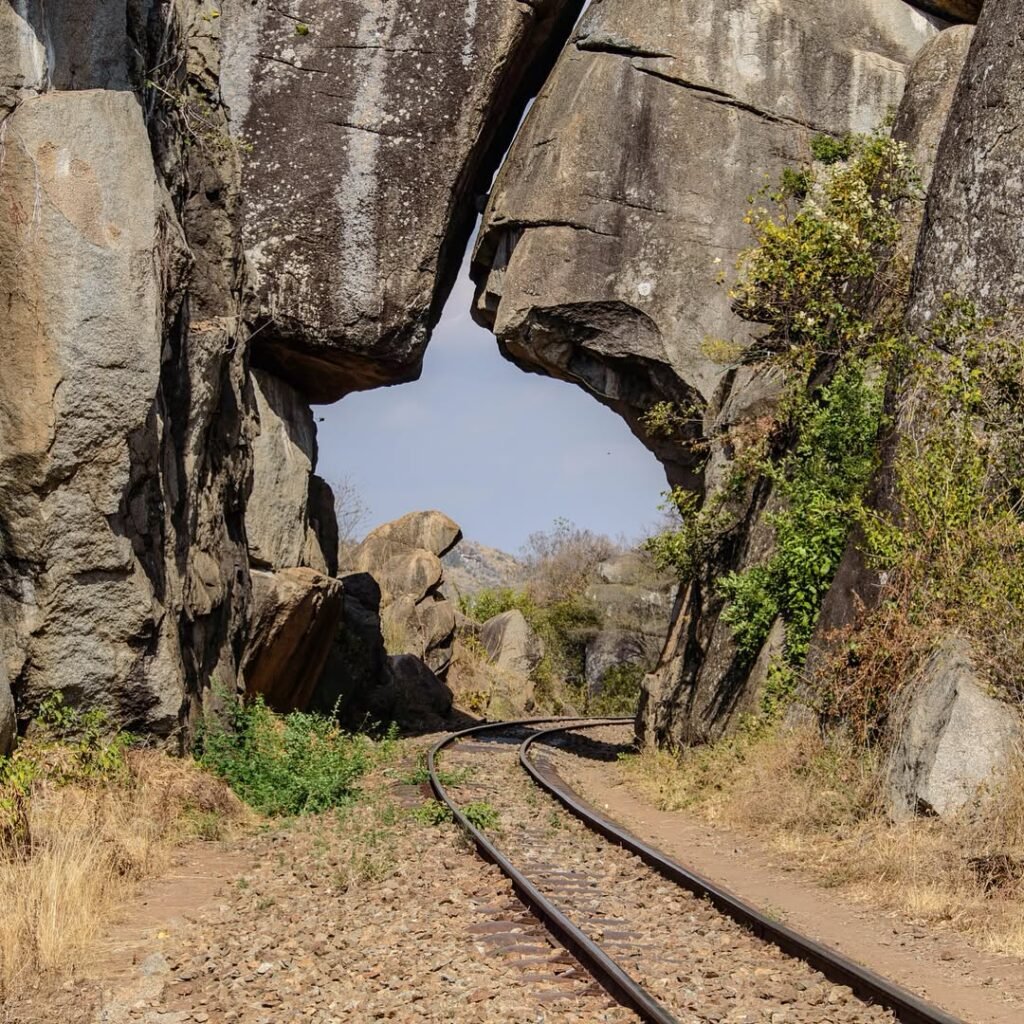
- Railway: The central railway line links Mwanza with Dar es Salaam and other inland regions, providing an affordable means of transporting goods and passengers.
- Water: As a port city on Lake Victoria, Mwanza is a gateway to East Africa, with ferries and cargo vessels connecting Tanzania to Uganda and Kenya.
This multi-modal accessibility makes Mwanza a strategic location for investment and trade, reinforcing its position as a commercial hub in the Great Lakes region.
Tourism Potential
Mwanza is not only a business center but also a growing tourism destination. Its unique attractions include:
Lake Victoria: The lake offers opportunities for boat rides, fishing, bird watching, and island exploration, including Ukerewe and Rubondo Islands.Lake Victoria, Africa’s largest lake, boasts over 70 islands filled with unique culture, wildlife, and adventure. From Ukerewe’s traditions to Rubondo’s pristine wilderness, it offers unforgettable experiences. Easily accessible via Mwanza, the lake is a hub for eco-tourism, vibrant communities, and investment opportunities.
Cultural Tourism: Mwanza offers a rich cultural tourism experience shaped by its diverse ethnic groups. The dominant tribe is the Sukuma—the largest ethnic group in Tanzania, making up about 16% of the national population. “Sukuma,” meaning “north,” reflects their origin, and they proudly identify as Basukuma (plural) or Nsukuma (singular). They speak the Sukuma language, part of the Bantu family. Alongside the Sukuma, other groups such as the Wakerewe, Wakara, and Wazinza contribute to Mwanza’s vibrant cultural heritage, traditions, and lifestyles, giving visitors an authentic glimpse into Tanzania’s cultural diversity.
Historical Sites in Mwanza:
Gunzet House and Germany History
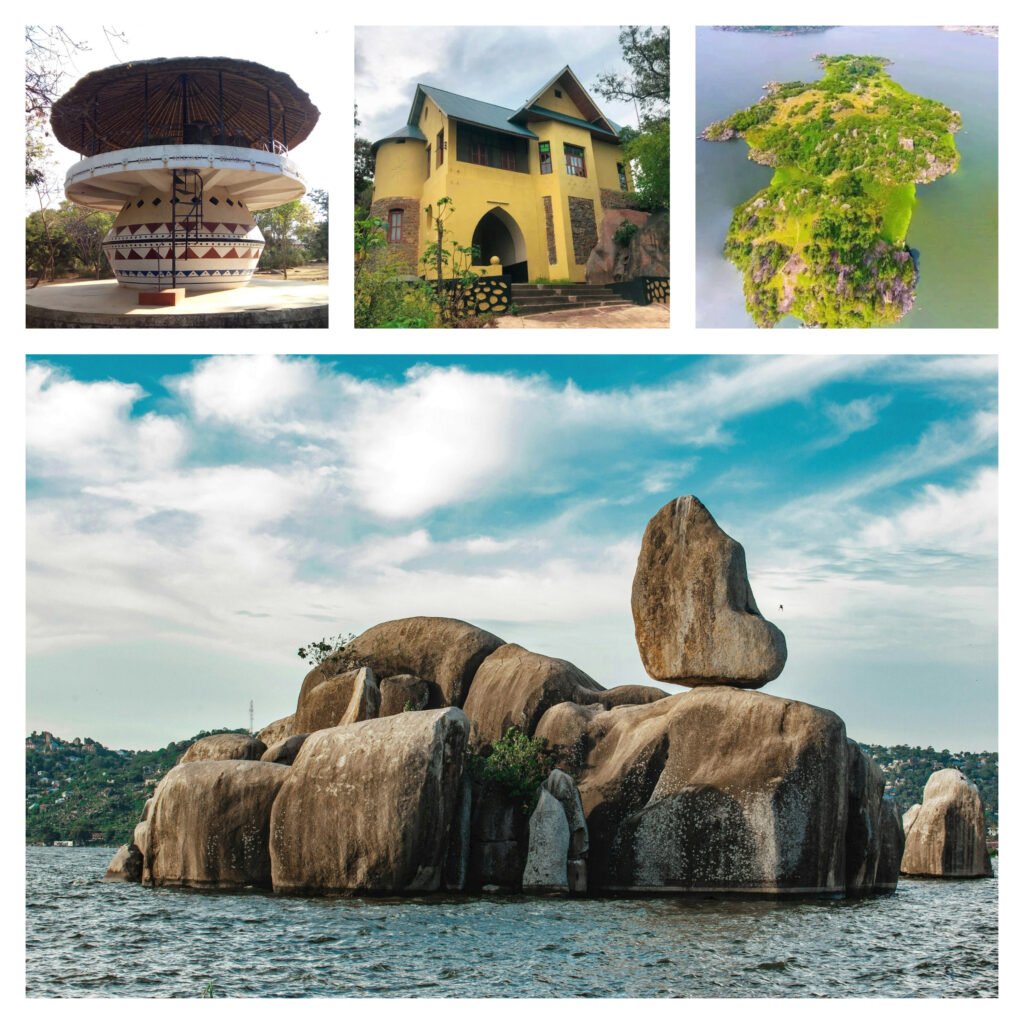
Mwanza’s rich past is reflected in landmarks like the Gunzert (Robert Koch) House, built during the German colonial period (1890s–1916). Originally intended for medical research, it was later used by British and Tanzanian administrations. Though never directly linked to Nobel Prize-winning German physician Robert Koch, the house carries his name, adding to its intrigue. Today, it stands as a fascinating monument to Mwanza’s colonial history, offering visitors a glimpse into the city’s cultural and historical heritage.
Underground Tunnel – A Hidden Gem of Mwanza
Dating back to the German colonial era (1890s–1916), Mwanza’s Underground Tunnel once used a deep well as its entrance and remains a fascinating historical site. Located near the BOT and CCM roundabout, visitors can also explore surrounding landmarks like Uhuru Torch, Gandhi Hall, and Muwassa Building. Though little known, this hidden gem offers an intriguing journey into Mwanza’s past and is best experienced with a knowledgeable guide.
Gandhi Hall
The Historical Hall, located east of Mwanza’s roundabout in the Indian Quarter, welcomes visitors with a sculpture of Gandhi, the founder of modern India, who spent several years in South Africa. Opened in 1957 by Tanganyika’s last British Governor, Sir Edward Twining, the hall was built by the Patel family from Bombay (now Mumbai) who were residing in Mwanza.
European Cemetery
Located at Capri Point, the European Cemetery is Mwanza’s first European burial site, established in 1890 by German colonists and later expanded by English and Indian communities. Today, it also features African graves, reflecting the city’s diverse history.Visitors can explore the historic graves in a peaceful, scenic setting, where tradition and heritage come alive—a perfect spot for culture lovers, photographers, and history enthusiasts.
Bukoba Ferry Monument
The Bukoba Ferry Monument commemorates one of East Africa’s worst maritime disasters. On 21 May 1996, the MV Bukoba sank on Lake Victoria just 56 km from Mwanza, claiming nearly 700 lives. The monument honors the victims and serves as a place of reflection and remembrance.
Visitors can pay tribute and learn about this significant piece of Tanzania’s maritime history in a respectful and educational setting.
Saanane Island National Park
Discover Saanane Island, the only national park within Mwanza city limits, located on scenic Lake Victoria. Home to impalas, zebras, wildebeest, monkeys, otters, crocodiles, and more, the park offers a mix of wildlife and stunning landscapes of granite boulders, woodlands, and reed-lined shores.Explore well-marked trails and lookout points, enjoy bird watching, boat tours, fishing, camping, picnics, or simply relax in the park’s peaceful corners. Special events can also be hosted amid this unique urban wilderness.
Bujora Sukuma Museum
Experience the rich culture and history of the Sukuma people at the open-air Bujora Sukuma Museum, just 20 km from Mwanza. Explore traditional houses, drums, and artifacts, and learn about the founder, Father David Clement, who preserved Sukuma heritage while blending it with Christian traditions.Guided tours in English and Swahili showcase cultural treasures, a unique Round Church, and even a Sukuma cultural choir and dance performances (arranged in advance). Visitors can enjoy photography, local meals, and scenic countryside walks, making it a perfect half-day cultural excursion.
Gateway to the Serengeti
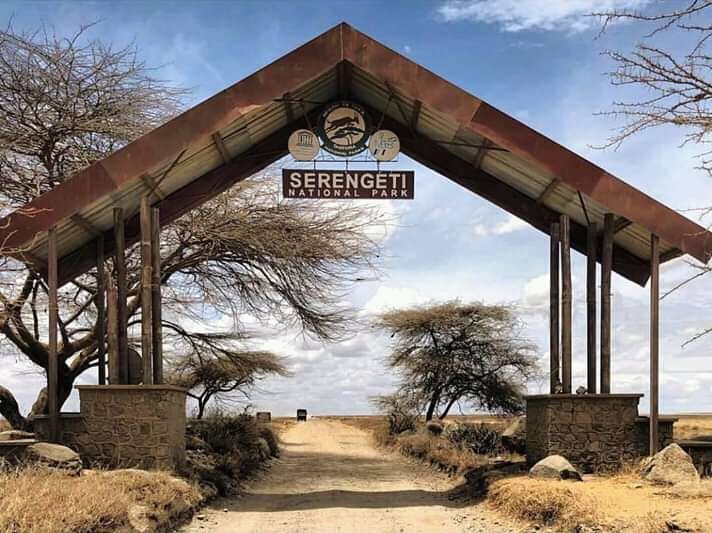
Mwanza is not only rich in culture and history but also serves as a gateway to the Serengeti National Park, just a 2-hour drive away. This unique advantage allows visitors to enjoy the city’s vibrant attractions along Lake Victoria while also experiencing one of the world’s most spectacular wildlife adventures—the Great Migration, where millions of wildebeest, zebras, and gazelles move across the plains alongside lions, elephants, and giraffes. Mwanza offers the perfect blend of urban comfort and world-class safari, making it an ideal destination for travelers seeking both culture and adventure.
Investment Potential
Mwanza’s unique geographical position, economic activities, and transport infrastructure make it one of the most promising investment destinations in Tanzania. Opportunities exist in:
Tourism and hospitality development.,Argo-processing and fisheries.,Logistics and transportation services.,Real estate and infrastructure,Mining supply and services.
With supportive government policies, a youthful workforce, and proximity to regional markets, Mwanza is well-positioned for sustainable economic growth.
Conclusion
Mwanza City combines the charm of cultural diversity, the strength of economic potential, and the allure of natural beauty. From its warm people and rich traditions to its booming economy and proximity to iconic destinations like Serengeti and Lake Victoria, Mwanza stands as a beacon of opportunity for visitors and investors alike. Whether you are looking for business, leisure, or cultural exploration, Mwanza is the gateway to experiencing the very best of Tanzania and East Africa.